
Sale!
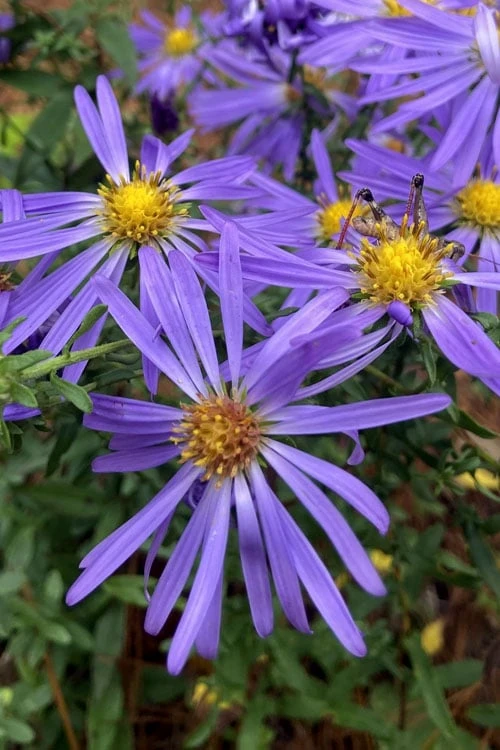

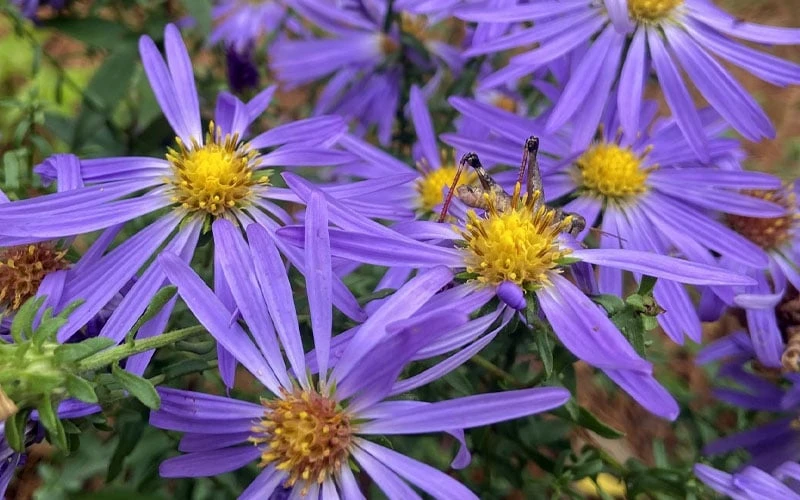
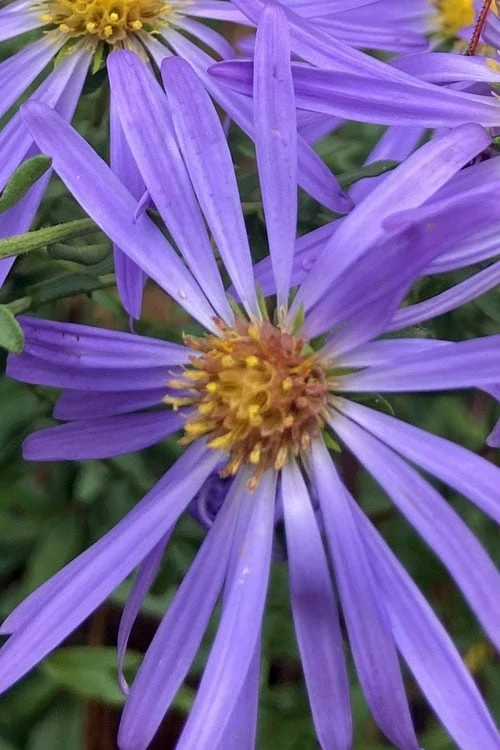

Large Flowered Wild Blue Aster (Aster Grandiflorus) – 1 Gallon Pot
Original price was: $32.97.$23.08Current price is: $23.08.
- Shop the Best Quality Online
- Product guarantee 100% satisfaction
- Your happiness, our mission.
- 100% environmentally friendly material

Large Flowered Wild Blue Aster
Aster grandiflorus | Syn. Symphyotrichum grandiflorum
Other Common & Scientific Names: Wild Blue Aster, Largeflowered Aster, Big-headed Aster, Symphyotrichum grandiflorum, Lasallea grandiflora, Virgulus grandiflorus
Plant Details
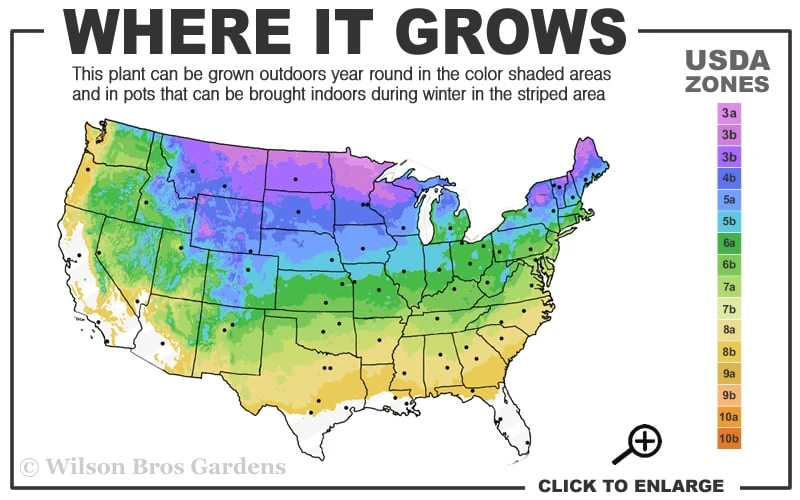
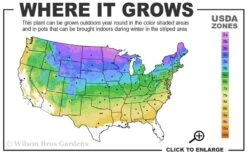
USDA Plant Hardiness Zones: 3a-8b Find Your Zone
Plant Type: Herbaceous Perennial
Height at Maturity: 3-4′
Width at Maturity: 2-3′
Spacing: 2′ for mass plantings
Spacing: 2′ for mass plantings
Growth Habit / Form: Mounding
Growth Rate: Fast
Flower Color: Purple-Lavender / Violet-Blue
Flower Size: 2-3″, in panicles of 20 to 30 flowers
Flowering Period: Mid Fall to Early Winter
Flower Type: Daisy
Fragrant Flowers: No
Foliage Color: Dark Green
Fragrant Foliage: No
Berries: No
Berry Color: No
Sun Needs: Full Sun or Part Shade
Water Needs: Average
Soil Type: Clay (amended), Loam, Sand (amended), Silt
Soil Moisture / Drainage: Moist But Well-Drained
Soil pH: 6.0-7.5 (Slightly Acidic to Slightly Alkaline)
Maintenance / Care: Low
Attracts: Butterflies, Beneficial Pollinators, Visual Attention
Resistances: Deer, Disease, Drought (occasional when established), Heat, Humidity, Insect, Rabbit
Description
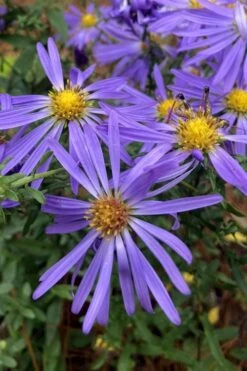
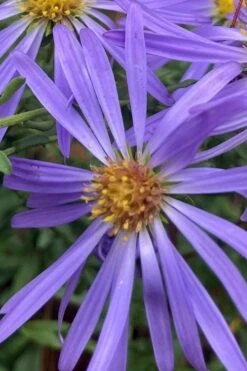
A native perennial wildflower in the daisy family, the Large Flowered Aster, also commonly known as the Wild Blue Aster, features abundant flowers with lavender-purple petals surrounding a yellow eye. Each flower panicle can contain up to 20 flowers. Flowers begin to appear at the ends of leafy stems in early to mid fall and continue into early winter in our north-central Georgia gardens. Late season butterflies will thank you for planting this one. A fine addition to perennial borders and North American native plant gardens.
Landscape & Garden Uses
Growing 3 to 4 feet tall and about 2 feet wide, the Large Flowered Aster is ideal for use as a filler plant in large perennial gardens and sunny woodland borders, and also in large mixed container gardens. It is breathtaking in groupings or mass plantings. A fine addition to butterfly, wildflower, cut flower, cottage, and native and purple theme gardens.
Suggested Spacing: 2′ for mass plantings
Growing Preferences
The Large Flowered Aster is very easy to grow in most any well-drained but moist soil in full sun or part shade. It is most floriferous and more compact in full to mostly sun. Provide at least 5 hours of direct sun for best flowering. As with many other perennial plants, constantly soggy or wet soils can be problematic. Heavy, dense clay soils should be amended with organic matter to improve drainage. We cut the plant back to the ground after flowering in late winter.
Note: Find helpful advice from our experts under the Planting & Care tab above on desktop computer screens or below on mobile devices.
Plant Long & Prosper!
Meet The Wilson Brothers & Staff
Questions? Contact Us!
Be the first to review “Large Flowered Wild Blue Aster (Aster Grandiflorus) – 1 Gallon Pot”
Related products
Sale!
Original price was: $125.00.$87.50Current price is: $87.50.
Sale!
Original price was: $139.97.$98.99Current price is: $98.99.
Sale!
Original price was: $32.97.$23.08Current price is: $23.08.
Sale!
NATIVE PLANTS
Original price was: $46.97.$32.88Current price is: $32.88.
Sale!

Original price was: $36.85.$25.80Current price is: $25.80.
Sale!
Original price was: $68.51.$47.96Current price is: $47.96.
Sale!

Original price was: $43.85.$30.70Current price is: $30.70.
Sale!
Original price was: $28.85.$20.20Current price is: $20.20.
Reviews
There are no reviews yet.